
One of the most popular dental services is teeth whitening, also known as bleaching.
What is Teeth Whitening?
Teeth whitening includes various methods to remove stains and discoloration from the surface of teeth.
In general, teeth whitening is a chemical process in which hydrogen peroxide is used to neutralize the molecules responsible for tooth discoloration.
Why is Teeth Whitening Popular?
Teeth are never naturally completely white; over time, aging and other factors such as consuming certain beverages, smoking, or foods can cause yellowing and discoloration.
Since stains can negatively affect the appearance of teeth, teeth whitening is used to remove these colored pigments. Therefore, most people undergo teeth whitening for cosmetic reasons.
Who Can Benefit from Teeth Whitening?
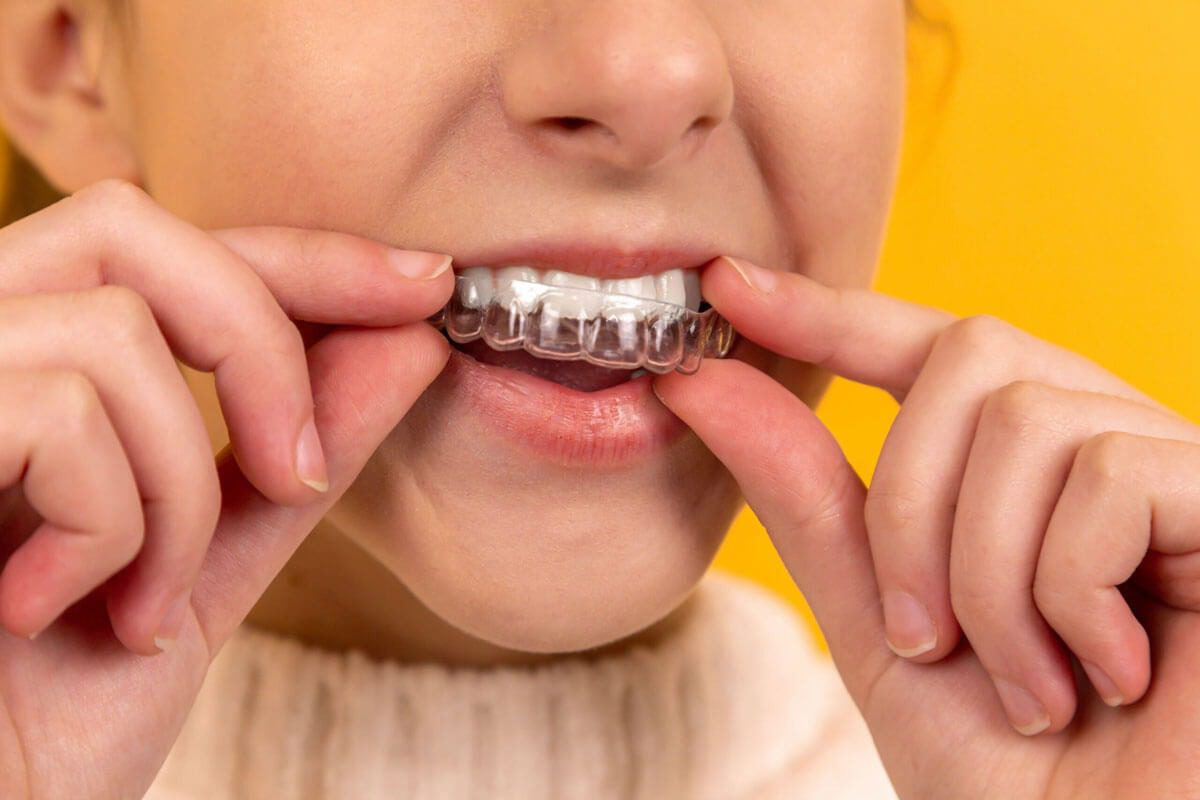
When deciding to choose teeth whitening, it is important to note that not all types of teeth can be whitened. If teeth are healthy and free from decay, whitening is generally safe.
However, if your oral health is compromised or you have sensitive teeth, extra caution is required. Before whitening, the overall health of your teeth and gums should be thoroughly evaluated.
Risks of Whitening Damaged Teeth
Teeth whitening is not recommended for pregnant or breastfeeding women, children, or individuals with compromised oral health. Whitening damaged teeth can be harmful because bleaching agents can penetrate deeper into the tooth, increasing sensitivity and potential pain.
Teeth Whitening Methods
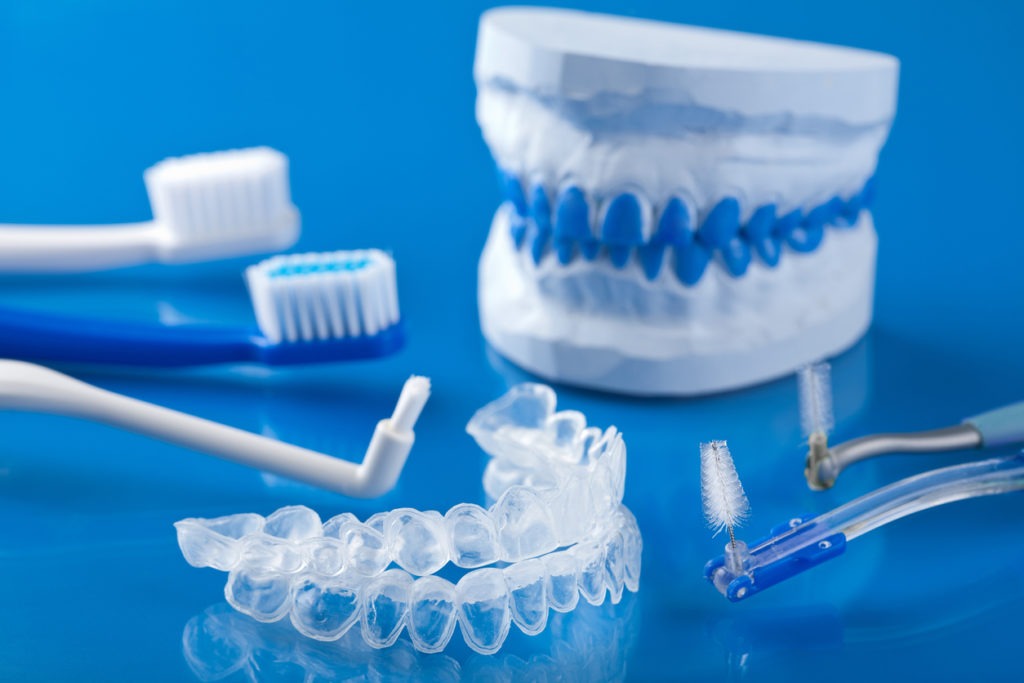
There are two main methods for teeth whitening: at-home and professional. Each method has its advantages, disadvantages, and effectiveness, which are explained below.
At-Home Whitening
At-home whitening involves using a professional bleaching gel and a custom plastic tray.
This method is carried out under a dentist’s supervision, using a plastic tray similar to teeth, known as a “Plastic Tray” or “Dental Tray,” along with a peroxide-based whitening gel, typically 22%.
The duration of treatment depends on the amount of gel used, lifestyle habits, and oral hygiene, usually ranging from 3 to 24 months.
Professional Whitening
Professional whitening is performed in a dental office. In this method, teeth are covered with a bleaching agent for 15 to 45 minutes, while gums are protected with a rubber-like barrier.
Unlike at-home whitening, professional whitening can be applied to individual teeth and uses a stronger bleaching agent. Overall, professional whitening may require more than a year for full results.
Advantages and Disadvantages of Professional Whitening
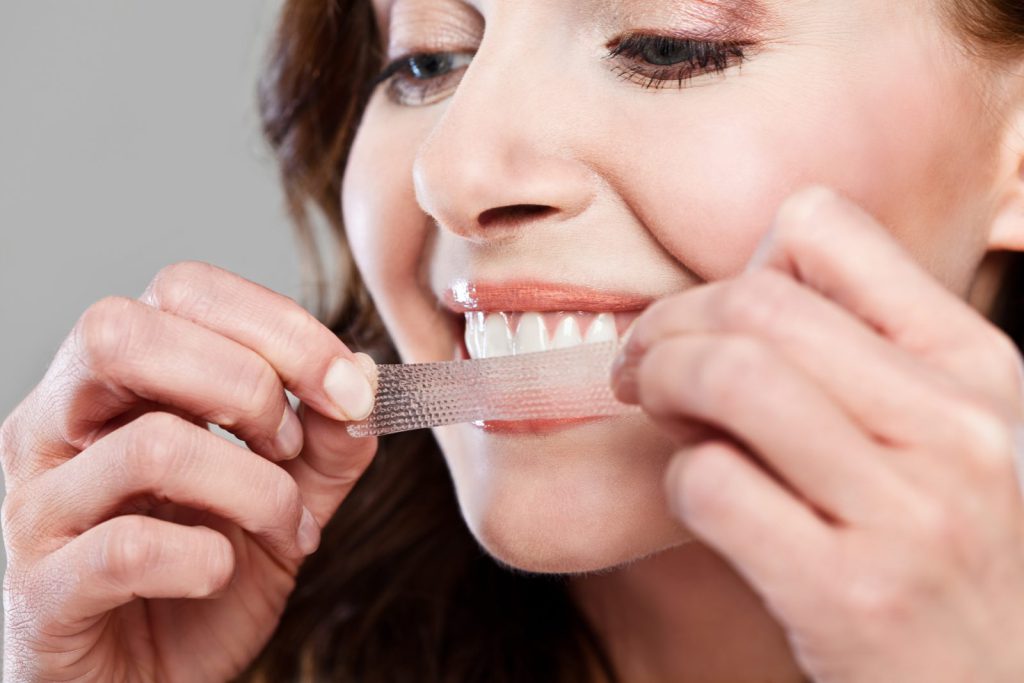
Professional whitening provides longer-lasting results compared to at-home methods, with noticeable effects after the first sessions. However, teeth may become temporarily sensitive, and professional whitening is generally more expensive.
Can Dental Prosthetics be Whitened?
You may wonder if whitening works on teeth with implants, veneers, or crowns. The answer is no. Whitening products only work on natural teeth.
Stains on fillings, crowns, and bridges cannot be changed through whitening, especially if they are in visible areas of the dental arch.
Final Note
In this article, we discussed teeth whitening. As mentioned, whitening is intended for natural teeth. For more information about teeth whitening, you can contact Dr. Delaram’s clinic.