
Dental Implant Surgery: A Reliable Solution for Missing Teeth
Dental implant surgery replaces the roots of missing or damaged teeth with metal, screw-shaped posts, providing support for artificial teeth that closely resemble natural ones.
Implants can be an excellent alternative to removable dentures or bridges that do not fit perfectly.
How Dental Implant Surgery Is Performed
The procedure depends on the type of implant and the condition of your jawbone. Implant surgery involves several stages, with the most critical being the placement of the implant post.
The main advantage of implants is the stable support they provide for new teeth. This requires strong bone integration around the implant, which can take several months to fully develop.

The Role of Surgeon Skill in Implant Longevity
The experience and expertise of your implant surgeon are crucial for long-term success. Factors affecting implant longevity include oral hygiene, diet, lifestyle, implant placement location, and the surgeon’s skill. For this reason, it is highly recommended to choose an experienced implant specialist.
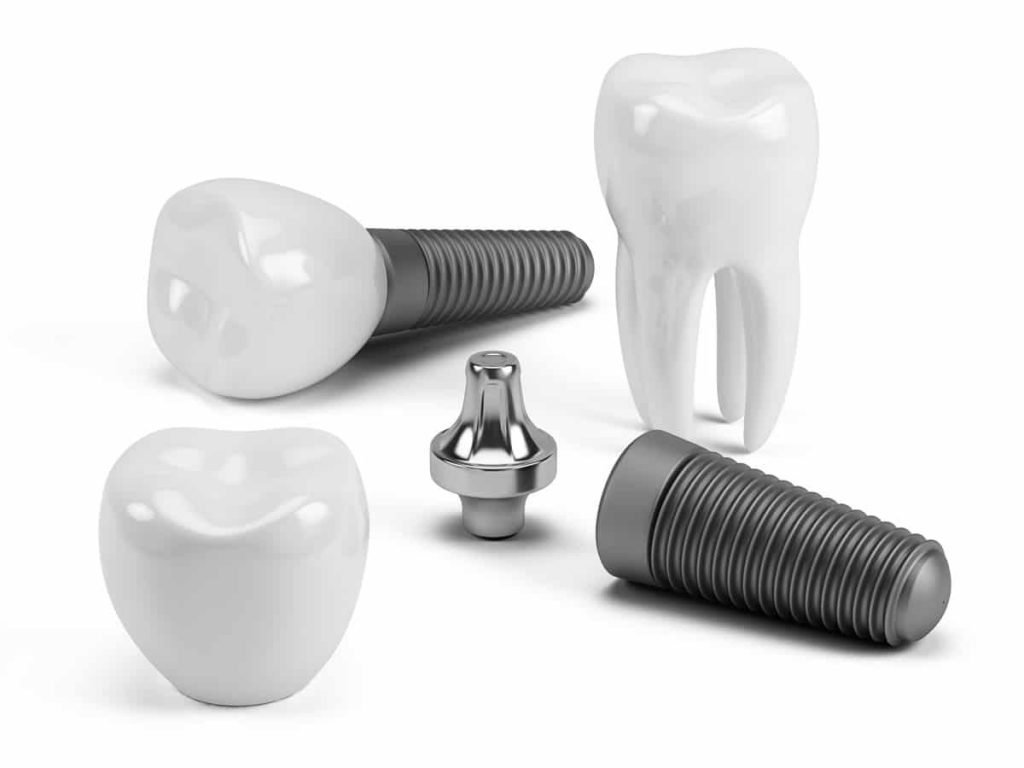
Stages of Dental Implant Treatment
Implant surgery is usually an outpatient procedure performed in stages, with healing time between each step. The main stages include:
- Removal of the damaged tooth
- Preparation of the jawbone and bone grafting (if necessary)
- Implant placement
- Bone growth and healing
- Placement of the abutment
- Placement of the artificial tooth (crown)
This entire process may take several months, mostly to allow new bone to grow and integrate with the implant.
Jawbone Enhancement for Implants
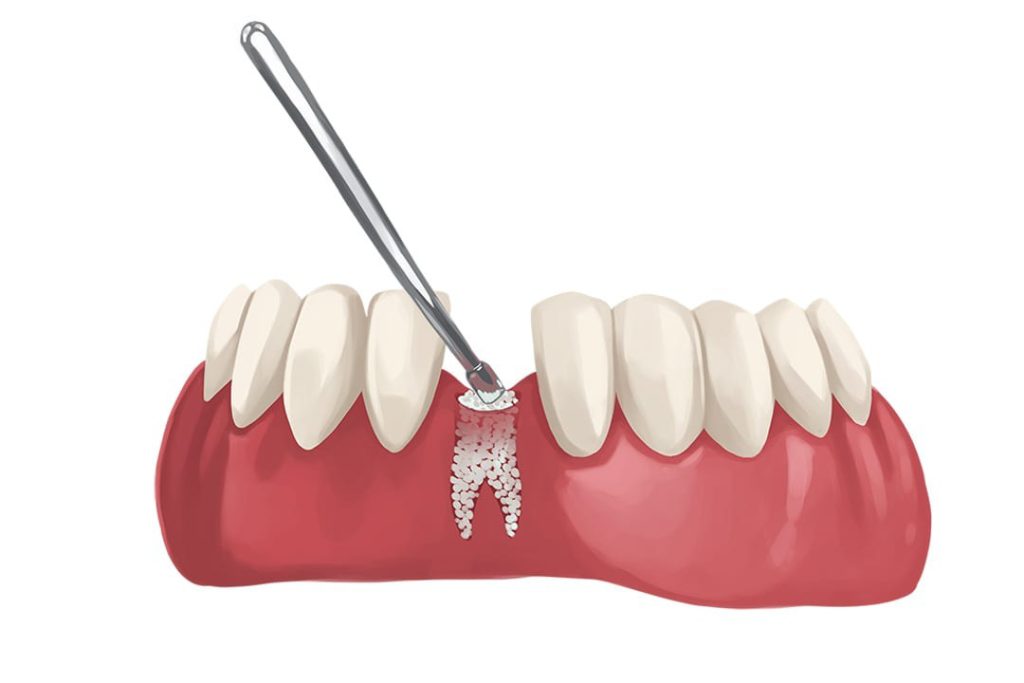
If your jawbone is too thin or soft, a bone graft may be necessary before implant placement. Chewing applies significant pressure, and insufficient bone support can lead to implant failure. Grafted bone may require several months to mature and support the implant.
How Bone Grafting Works
Bone grafting can involve natural bone taken from another part of the body or synthetic bone substitutes that provide a framework for new bone growth.
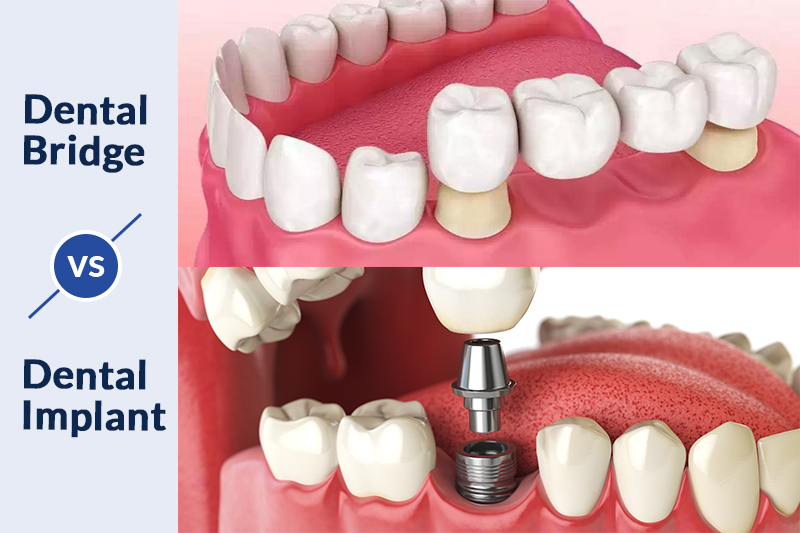
Traditional Bridge vs. Dental Implant
In the past, missing teeth were often replaced with a bridge, connecting crowns on adjacent teeth.
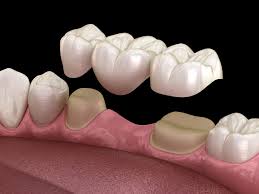
Bridges have limitations: adjacent teeth must be shaved down, increasing the risk of decay. Statistics show that about 50% of bridge-supported teeth may decay within 10 years. Dental implants, introduced around 40 years ago, preserve neighboring teeth and provide a long-lasting solution.
Components of a Dental Implant
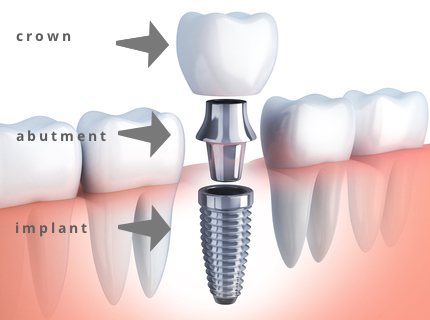
Dental implants typically consist of three main parts:
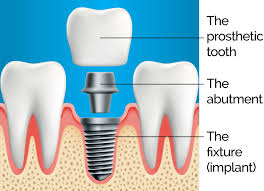
- Fixture: surgically placed into the jawbone
- Abutment: supports the crown (sometimes integrated in one-piece implants)
- Crown: the visible artificial tooth
Implant Placement Procedure
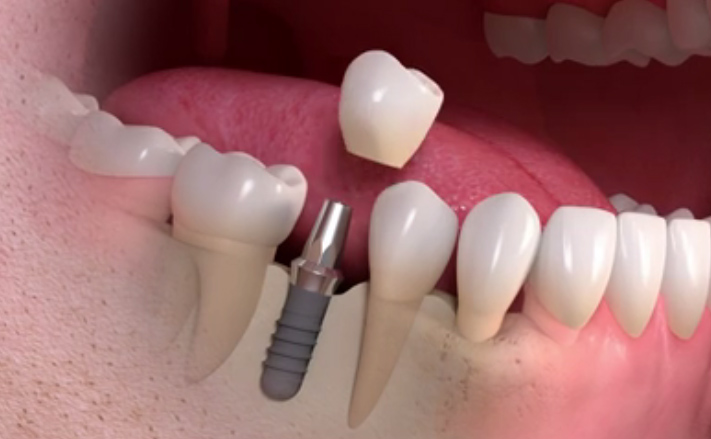
During surgery, the dentist makes an incision in the gum to expose the bone, drills a hole, and places the implant post. A temporary prosthesis may be used for aesthetics.
Osseointegration
Once the implant is placed, osseointegration begins—where the jawbone grows around the implant, creating a strong foundation similar to natural tooth roots. This process can take several months.
Abutment Placement
After osseointegration, the abutment is attached to the implant, usually under local anesthesia. The gum tissue is then closed around the abutment.
- The abutment is visible above the gum line until the crown is placed.
- Gum healing takes about two weeks before the crown attachment.
Implant Crown
After gum healing, a temporary crown may be placed, followed by a permanent crown matching the natural teeth.
Risks and Complications
Implants are generally safe but may involve:
- Infection at the implant site
- Damage to surrounding structures (teeth, blood vessels)
- Nerve damage causing pain, numbness, or tingling
- Sinus problems if implants in the upper jaw protrude into the sinus cavity
Post-Operative Care
After implant surgery, patients may experience swelling, bruising, pain, and minor bleeding. Painkillers or antibiotics may be prescribed. Soft foods and proper oral hygiene are essential during healing.
Success Rate of Dental Implants
Most implants are successful, but inadequate bone integration or habits like smoking can increase failure risk. Factors such as age, bone quality, and surgical technique are critical. Advanced cases require a periodontist or oral surgeon.
Worldwide, over 3,000 implant brands exist, with about 150 available in Iran. Success depends more on surgical technique, soft and hard tissue management, and bone grafting rather than the brand itself.
Implants are highly effective for fully edentulous jaws, often requiring 6–8 implants in the upper jaw and 5–6 in the lower jaw to support a full set of 12 teeth per jaw.
Contact Dr. Mohammadreza Delaram

For dental implant services, contact Dr. Mohammadreza Delaram, a specialist in periodontal surgery and dental implants, member of:
- Iranian Periodontists Association
- Iranian Implantology Association
- American Academy of Periodontology
- American Academy of Implant Dentistry
Dr. Delaram has completed advanced oral surgery courses at Implantologie Klinik, Germany, and is a speaker at national and international dental conferences, with numerous published scientific articles.